

AI can write a poem, but can it feel the rain? 🍵
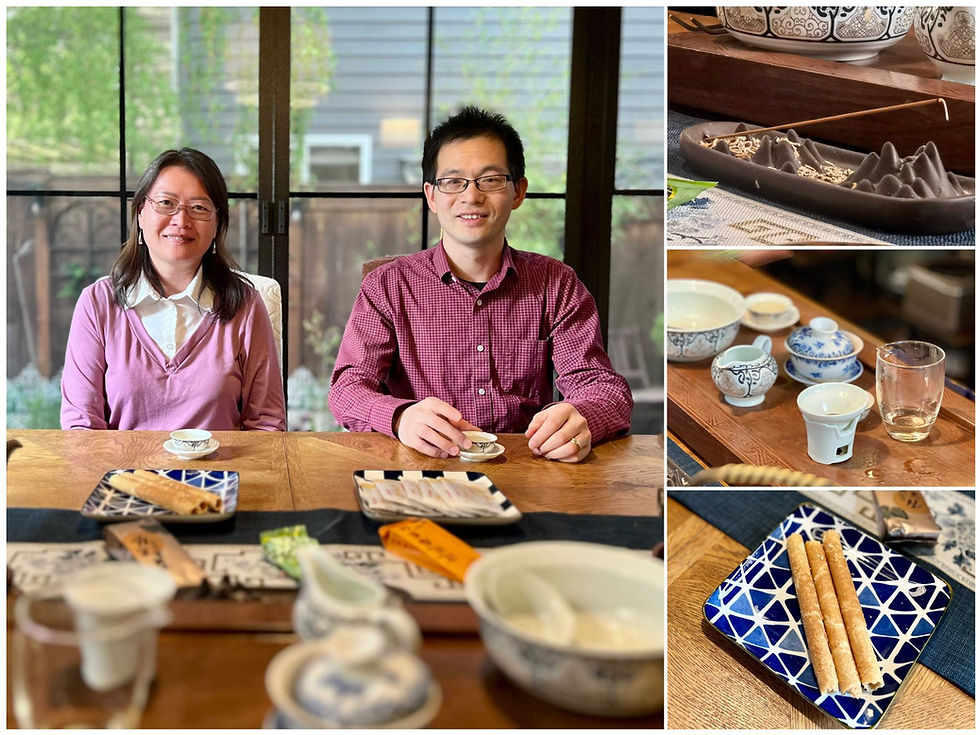
For this "100 Tea-Talk," I sat down with Terry Hsing, a Portland-based artist and educator specializing in traditional Chinese calligraphy and painting. We brewed a pot of Yuzu-scented Baiya Qilan, a light Oolong with a clean, citrusy aroma. As the tea steeped, we talked about why a robot can mimic a brushstroke but not the emotion behind it.
She doesn’t love high‑tech gadgets, yet she uses ChatGPT. “AI is unstoppable,” she said—like the “势” (momentum) in calligraphy. Here are three takeaways that stayed with me.
1. The flaw is where art lives
A robotic arm can write perfect Regular script. But cursive? That comes from the moment—the wine, the weather, the mood. “Wang Xizhi’s Lanting Xu—even he couldn’t write it twice,” she said. “The beauty is in the unrepeatable.”
AI generates based on rules and averages. It polishes away the very imperfections that make human work unique.
The insight: Don’t let AI smooth away your rough edges. Sometimes the “mistake” is the masterpiece.
2. The “spark of life” is what AI cannot copy
“Calligraphy is ‘the writing reflects the man,’” she explained. A robot lacks cognitive emotion, that “spark of life” (灵气). It can imitate a famous style, but it has no life story behind the stroke.
The insight: AI is an imitator, not a creator. What you bring—your journey, your emotion—is irreplaceable.
3. Knowledge is a shortcut; wisdom is a journey
AI gives instant answers—great for exams. But wisdom requires reflection, setbacks, and time to internalize. “If children rely on AI too early, they gain knowledge without judgment.”
The insight: Education isn’t about removing stones from the path. It’s about learning to step over them.
Last pour:
The tea cooled, but the conversation lingered. AI is neutral. Used well, it frees us to focus on what’s human. But we must guard the very things that make us human: original emotion, moral reflection, and the slow process of becoming wise.
What’s one skill you believe AI will never replace?
hashtag#100TeaTalks hashtag#AI hashtag#Creativity hashtag#Education hashtag#Wisdom hashtag#Leadership
AI能写诗,但它能感受雨吗?🍵
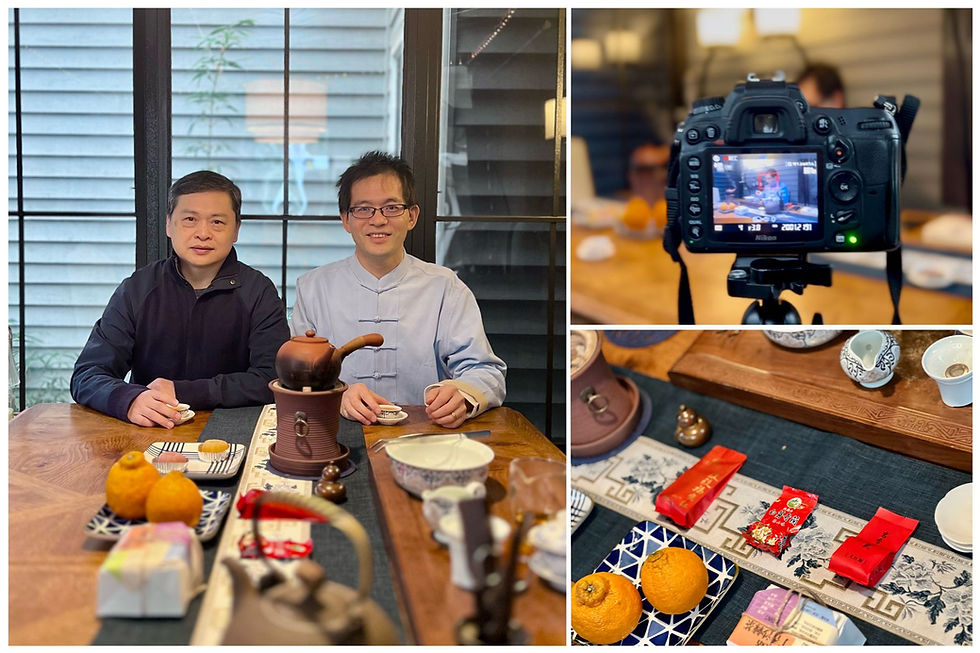
这一期「100次茶谈」,我请来了我的中国书法老师邢台睿老师——一位在波特兰专注传统书画的艺术家和教育者。今天泡的是来自福建漳州的白芽奇兰,茶汤里带着清雅的柚香,边喝边聊。我们聊了一个问题:机器人能模仿一笔一画,但能模仿那一笔背后的心情吗?
她说自己其实不太喜欢高科技,但也在用ChatGPT。「AI这股势来了,挡不住。」——就像书法里的「势」。以下三点知见,是这杯茶留给我的。
1. 艺术往往活在那个「瑕疵」里
机械臂能写工整的楷书。但行草呢?那靠的是当下的酒、天气、心情。「王羲之的《兰亭序》,你让他再写一遍,他也写不出来。」老师说,美就美在那一刻的不可复制。
AI是按规则和平均值生成的。它会把那些「不完美」磨掉,而人的作品里,恰恰是那些不完美的地方最有味道。
知见: 别让AI把你那些「毛边」都修掉了。有时候,错笔反而是神来之笔。
2. 那一口「灵气」,AI还学不会
「字如其人。」老师说,机器人写得再像,也没有自己的认知和情感。它缺的是那一口「灵气」。可以模仿名家的样子,但模仿不了名家的经历。
知见: AI是个模仿高手,但不是创作者。你走过的路、动过的心,谁都替不了。
3. 知识可以走捷径,智慧只能慢慢熬
AI能给答案,考试、技术问题都能省时间。但智慧不一样,得靠反思、碰壁、慢慢消化才能长出来。「孩子太早依赖AI,可能学了知识,却丢了判断力。」
知见: 教育不是把路上的石头都搬走,而是教人怎么跨过去。
最后一泡茶:
AI是中性的。用好了,它能帮我们腾出手来做更「人」的事。但我们得守住那些最人的东西:真情实感、是非判断,还有慢慢变聪明的那份耐心。
您觉得,有没有什么是AI永远替代不了的?


Comments