

AI is smart. But is it wise? 🍵
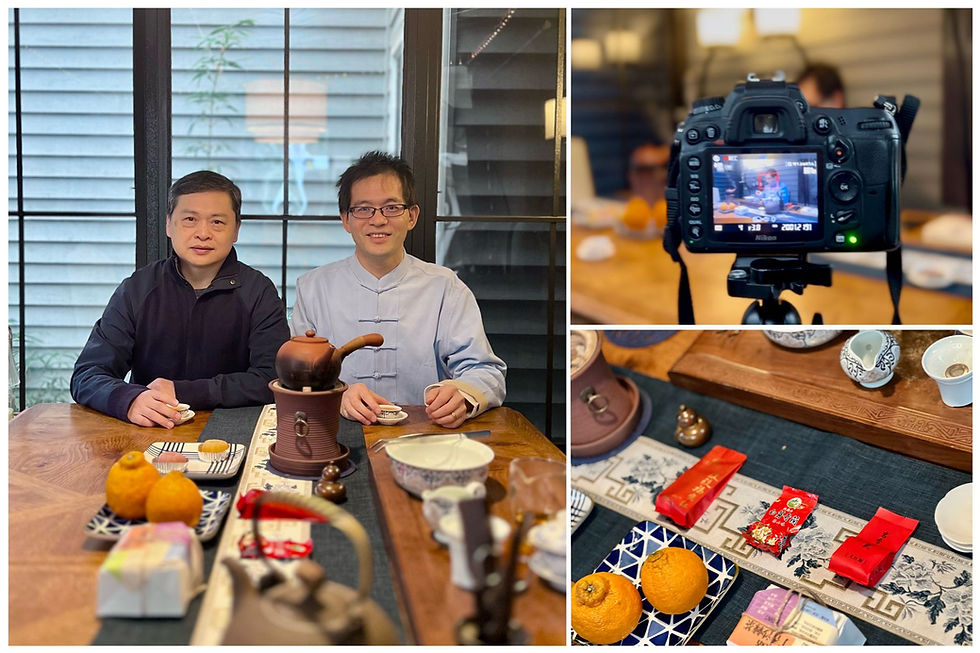
For the first "100 Tea-Talk," I sat down with Gang Shen, an enthusiast of philosophy and technology. Over a cup of Da Hong Pao (大红袍, a Wuyi Rock Tea) at my private tea room, we explored a question that doesn't have a simple answer: As we race to optimize everything, what are we leaving behind?
We covered a lot of ground—from the history of operating systems to the philosophy of tea. But three insights stood out.
1. The "Kodak Dynamic": When optimization becomes a trap
We talked about the story of Kodak—a company that invented the digital camera but struggled to navigate the disruption it created. Today, parts of the tech sector face a similar dynamic. The focus on technical metrics (faster chips, better performance) can sometimes overshadow the broader question of who benefits and how.
The insight: As my guest put it, "If you focus only on the technical indicators, you risk building something very efficient for a world that no longer exists." In Chinese thought, there's a concept of staying connected to the "whole" rather than getting lost in the parts. It felt relevant.
2. The questions AI can't answer
We often talk about AI as a tool for solving problems. But what about the problems it can't solve—the ones that require looking inward?
We circled back to the "Three Great Questions": Who am I? Where did I come from? Where am I going? AI, for all its power, operates on existing knowledge. It can synthesize, but it cannot reflect. As my guest observed, "The journey inward is one we have to walk ourselves. AI is a tool, not a guide for that path."
The insight: Wisdom isn't just stacked knowledge. Sometimes, it requires emptying the cup to make room for something new.
3. Context shapes technology
We also explored a classic historical question: Why did the Industrial Revolution take hold in Europe rather than in places like Ming Dynasty China?
The conversation didn't settle on a simple answer, but it pointed to context. Europe's fragmented, competitive landscape created intense pressure to apply science to warfare and commerce. China, as a larger, more unified agrarian society, faced different incentives and priorities.
The insight: Technology doesn't evolve in a vacuum. It reflects the pressures and priorities of the society that shapes it. As we build the AI era, it's worth asking: What pressures are shaping our path?
The last pour:
We ended where we started—with tea. Culture, tradition, and the simple act of sharing a cup reminded me that some things can't be optimized. They have to be experienced.
I'm looking forward to the next 99 conversations. If you have thoughts—or a guest to suggest—please drop a comment or DM me.
What's one question you think AI will never be able to answer for you?
hashtag#100TeaTalks hashtag#AI hashtag#Technology hashtag#Leadership hashtag#Culture hashtag#Reflections
AI很聪明。但它有智慧吗?🍵
本周,我邀请了老朋友沈刚,一位Intel老同事和哲学爱好者,参加了第一场"100次茶谈"。丙午正月,在三款红红火火的茶叶里,我们选择了共饮武夷山的大红袍,就着茶汤聊了很多——从北大回忆到英特尔的变化,再到算法的边界。
在一个痴迷于"优化"的世界里,我们始终绕回同一个问题:AI是在让我们成为更好的人,还是只是让我们成为更高效的"零件"?
以下是三个让我印象深刻和值得分享的话题:
1. "柯达困境": 如果你忘了"为什么",优化就是个陷阱
我们聊到了柯达的故事——一家发明了数码相机,却最终被自己创造的技术颠覆的公司。如今,科技行业的一些领域也面临类似的动态。当人们过度关注"技术指标"(更快的芯片、更好的算力)时,往往会忽略更根本的问题:这到底为了谁?为了什么?
知见:正如我的嘉宾所说:"如果你只盯着技术指标,你可能会为一个已经不再存在的世界,造出非常高效的东西。"在中国哲学里,这叫"迷失于术,而忘了道"。
2. AI永远答不出的"三个问题"
我们常常担心AI抢走工作。但更深层的风险,或许是精神的"懒惰"。AI能告诉你"怎么做",但它无法告诉你"你是谁"。
知见:"AI是外在的工具,"我的嘉宾说,"但那些终极问题——'我是谁?我从哪里来?我要到哪里去?'——需要的是'内省'。"在东方的思想里,智慧不是知识的简单堆砌。有时候,你需要清空杯子,才能装进新的东西。
3. 为什么西方造机器,东方重关系?
我们聊了一个经典的历史问题:为什么工业革命发生在欧洲,而不是在明朝的中国?
知见:欧洲是分裂的、充满竞争的小国,生存压力逼着他们把科学快速地"应用"到火炮和航海上。而当时的中国,是一个大一统、自给自足的农业社会,没有那种"不用就会死"的紧迫感。技术的动力,来自生存的压力。这个视角,对我们思考今天的AI赛道,或许也有启发。
最后一杯茶:
我们回到起点——茶。文化、传统,这些无法被算法量化的事,恰恰是我们之所以为"人"的护城河。AI可以生成内容,但它无法"传承"。
期待下一场茶谈的思想💥碰撞。大家有感兴趣的话题或嘉宾推荐,欢迎私信[微笑]
你觉得"智慧"这种东西,是能被机器学会的,还是人类独有的?

Comments